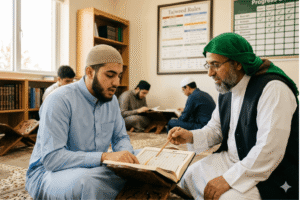
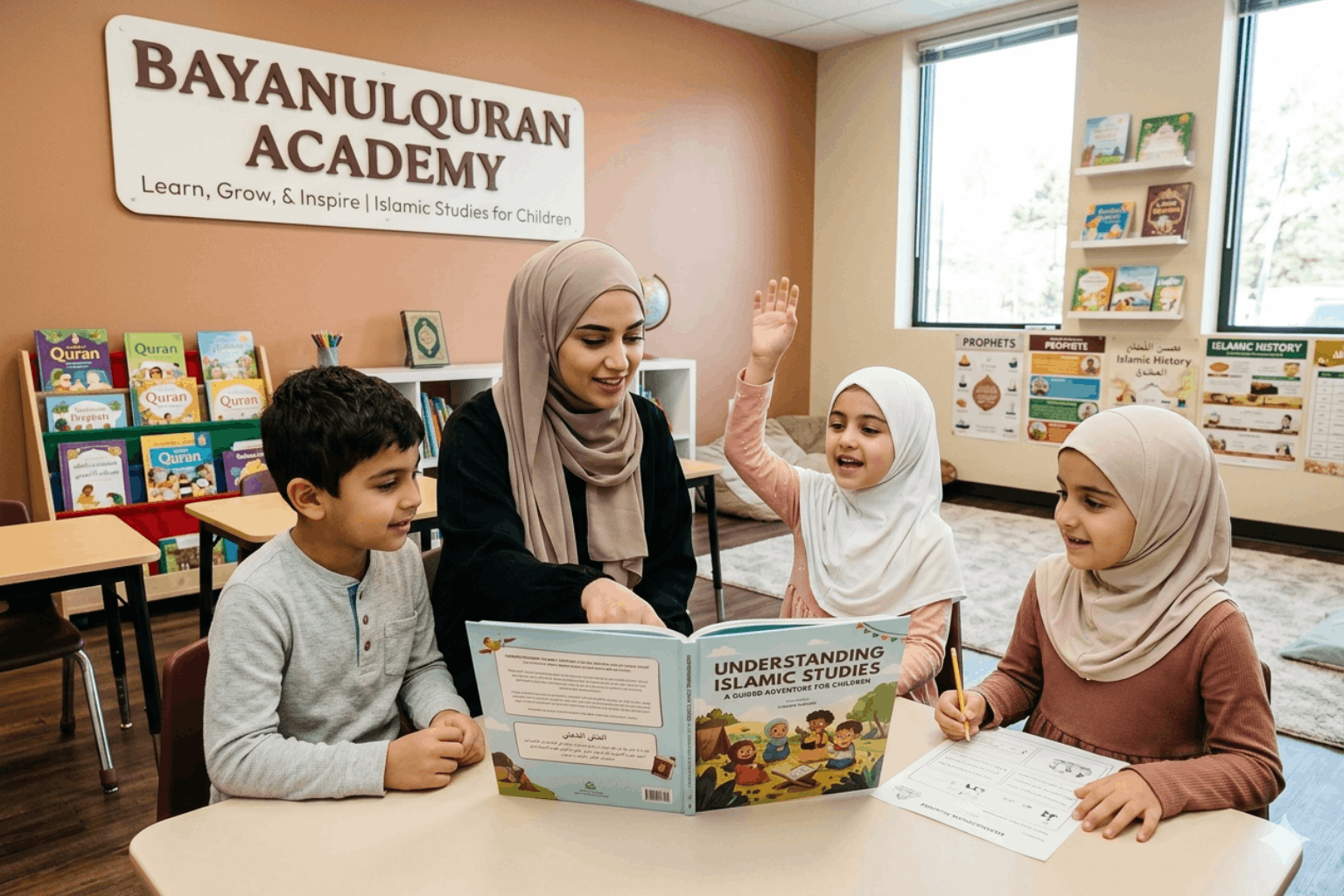
Children constitute the backbone of all Muslim societies, and one of the most important duties of parents and teachers is to give them a solid Islamic education. Children have numerous influences in today’s fast paced digital world and Islamic education is of paramount importance. By proper Islamic learning children get a strong bond with Allah, they learn about their purpose in life and gain good morals which they use throughout their lives.
This book is a comprehensive guide that covers all the aspects of parenting Islamic education for children, its importance, the key subjects of Islamic education for children, its benefit, and how Islamic education can be made accessible and engaging for children through modern learning methods.
Table of Contents
What Are Islamic Studies for Kids?
Islamic studies for kids is a systematic way of teaching children the basics of Islam in an understandable, interesting and child appropriate manner. To impart knowledge is not enough, but also the desire to instill the love of Islam and practice in daily life.
The following topics are usually covered in Islamic studies:
- To gain an understanding of Allah and His attributes
- Five Pillars of Islam.
- Reading and understanding the Quran and its guidance.
- Learning about Prophet Muhammad (PBUH)
- Stories of the Prophets.
- Knowledge and understanding of Islamic etiquette and morals
- Reciting duas and acts of worship every day.
- Developing good character and Islamic values
The concepts are introduced at a very young age, building a solid spiritual and moral base for the children to build upon in their development as practicing Muslims.
Why is Islamic Education important for the children?
It is during the early years that children learn best. Their values, beliefs and habits carry into adulthood. Islamic education moulds their character and enhances their interactions with Allah.
1. Develops a strong Islamic identity
Children in multicultural societies may come across other beliefs and ways of life. Learning Islam enables them to comprehend their religion, feel good with the Muslim faith and confidently practice their religion.
2. Develops Good Character
Honesty, Kindness, Respect, Patience and Compassion are important values in Islam. Children learn these values as part of their Islamic studies in the Quran and stories about the lives of the Prophets.
3. Strengthens Faith
Children will get a clear idea of Allah’s mercy, blessings and guidance and become keenly aware of him which in turn leads to a strong sense of faith and trust in Him.
4. Encourages Positive Behavior
Children are taught to make good choices, behave respectfully to people around them and understand how their actions will impact on others through Islam.
5. Establishes a life-long relationship with Islam
The social psychological aspect of Islamic education for children is that they will continue to learn and practice Islam throughout their lives if they are educated properly.
All the essentials that every child should learn in Islamic studies.
Learning About Allah
The first and foremost lesson that every Muslim child should learn is to know Allah. Children should learn:
- It is Allah Who created all things.
- Allah is one and doesn’t have partners!
- Allah is Most Merciful and Most Loving.
- Allah hears and sees everything.
Teachers introducing children to the knowledge of Allah fosters their love, gratitude and dependence on Him.
To understand the 5 pillars of Islam
The five pillars are the foundation of the life of a Muslim.
Shahadah
The declaration of belief that there is no god but Allah and that Muhammad (PBUH) is His Messenger.The affirmation of belief in the oneness of Allah and that Muhammad ( PBUH) is His Messenger.
Salah
Knowing the value and the correct way of praying daily.
Zakah
Appreciating the importance of doing good works and giving to others.
Fasting
Learning about Fasting during Ramadhan and the benefits that comes with it spiritually.
Hajj
Knowing about the importance of the pilgrimage to Makkah.
Quran Studies
Muslims are guided the most by the Quran. Children should learn:
Quran recitation
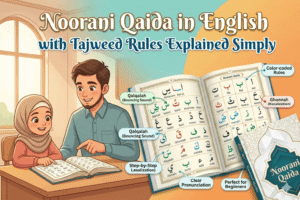
- Basic Tajweed rules
- Memorisation of short surahs.
- Understanding Quranic teachings
- Implementing quran values in life.
Knowledge about Prophet Muhammad (PBUH)
Prophet Muhammad (PBUH) should be taught to the children the following:
- His kindness and compassion
- His honesty and trustworthiness,
- The way he treats his family and friends.
- His role as the final Messenger
Children have a good role model in the life of the Prophet.
Events of the Prophets
Children like stories, and the stories of the Prophets make an effective teaching tool. The lessons they impart in these stories are:
- Patience
- Courage
- Faith
- Obedience to Allah
- Perseverance during challenges
Islamic Manners and Character
One of the most useful things that you can teach your children about Islam is the proper etiquette.
Children should learn:
- Respecting parents
- Being truthful
- Tenderness towards others
- Sharing and helping
- Speaking politely
- Practicing gratitude
- Taking care of those in need nearby and related to you
How to Make Islamic Learning Fun for Kids
The interactive and fun nature of education is preferable for children. To make Islamic studies interesting for parents and teachers, they can do the following:
Storytelling
Children learn important lessons of Islam through the stories from the Quran and the lives of the Prophets in a memorable way.
Visual Learning
Utilizing educational text, illustrations, videos, and colorful books helps to enhance understanding and retention.
Islamic Games and Activities
Learning is fun and important concepts are reinforced with interactive quizzes, puzzles and Islamic games.
Daily Practice
Inculcating duas, prayers and etiquettes among children will bring about good habits.
Positive Reinforcement
Praise and encouragement motivate children to continue learning and practicing Islam.
The Rise of Islamic Studies for Kids Online
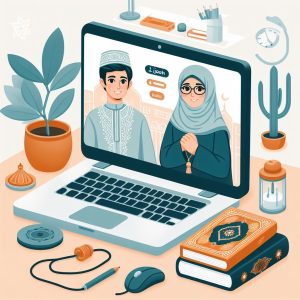
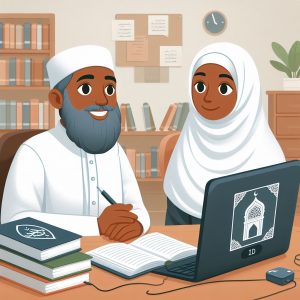
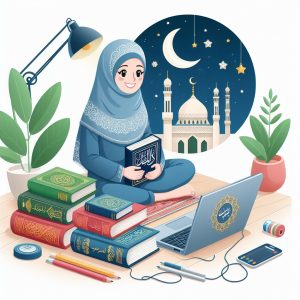
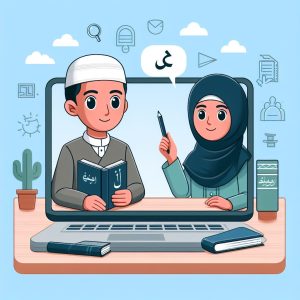
With the advent of technology, learning is now of a new dimension; it has become more accessible than ever before to learn about Islam. Many parents opt for islamic studies for kids online today because it is flexible, convenient and provides access to qualified teachers across the board.
Online Islamic education has a number of advantages:
- Practice from the comfort of your home!
- Support for working families with flexible working hours
- One-on-one personalized instruction
- Access to qualified Islamic Teachers
- Effective learning areas that are interactive and engaging.
- Consistent progress tracking
Online learning has proven to be a useful option for many families to give their children quality Islamic education and to provide a balance between their school and other activities.
How BayanulQuran Academy Helps Children Learn Islamic Studies
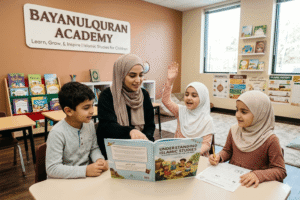
We recognise at BayanulQuran Academy that every child learns in their own way. Our goal is to ensure Islamic education is fun, effective and available for children worldwide.
We have extensive Islamic studies programs tailored for the young learners with the aim of creating Islamic knowledge and love for young learners.
Qualified and Experienced Teachers
Our instructors are knowledgeable, patient, and experienced in teaching children. They create a supportive learning environment where students feel comfortable asking questions and participating actively.
Structured Islamic Studies Curriculum
Our curriculum covers all essential areas of Islamic education, including:
- Islamic beliefs (Aqeedah)
- Quran studies
- Daily duas
- Islamic manners and character
- Stories of the Prophets
- Seerah of Prophet Muhammad (PBUH)
- Practical Islamic teachings
Interactive Online Classes
Our online classes are designed to keep children engaged through discussion, participation, and age-appropriate teaching methods.
Personalized Learning Experience
Every child has unique learning needs. We tailor our teaching approach to help students learn at their own pace while achieving steady progress.
Focus on Character Development
At BayanulQuran Academy, we believe Islamic education should go beyond memorization. We focus on helping children apply Islamic values in their daily lives, fostering strong character and good manners.
Flexible Learning for Families Worldwide
Our online programs allow families from different countries and time zones to access quality Islamic education conveniently from home.
Tips for Parents Supporting Islamic Learning at Home
Parents play a crucial role in reinforcing Islamic education.
Here are some practical tips:
- Set aside daily time for Islamic learning.
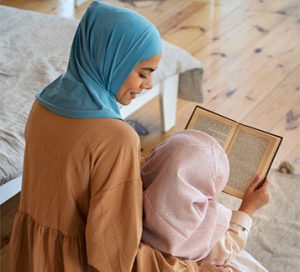
- Read Islamic stories together.
- Encourage children to ask questions.
- Practice daily duas as a family.
- Lead by example through good character.
- Celebrate Islamic achievements and milestones.
- Create a positive environment for learning about Islam.
When parents actively participate, children become more motivated and engaged in their Islamic journey.
Conclusion
Providing children with a strong Islamic education is one of the greatest investments parents can make for their future. Through comprehensive islamic studies for kids, children learn about Allah, understand the teachings of Islam, develop excellent character, and build a lifelong connection with their faith.
As technology continues to expand educational opportunities, islamic studies for kids online has become an effective and convenient solution for families seeking quality Islamic education.
At BayanulQuran Academy, we are committed to helping children develop strong Islamic foundations through engaging lessons, experienced teachers, and a supportive learning environment. By nurturing faith, knowledge, and character from an early age, we help prepare the next generation of confident and practicing Muslims.
Start your child’s Islamic learning journey today and give them the knowledge and values that will benefit them throughout their lives.