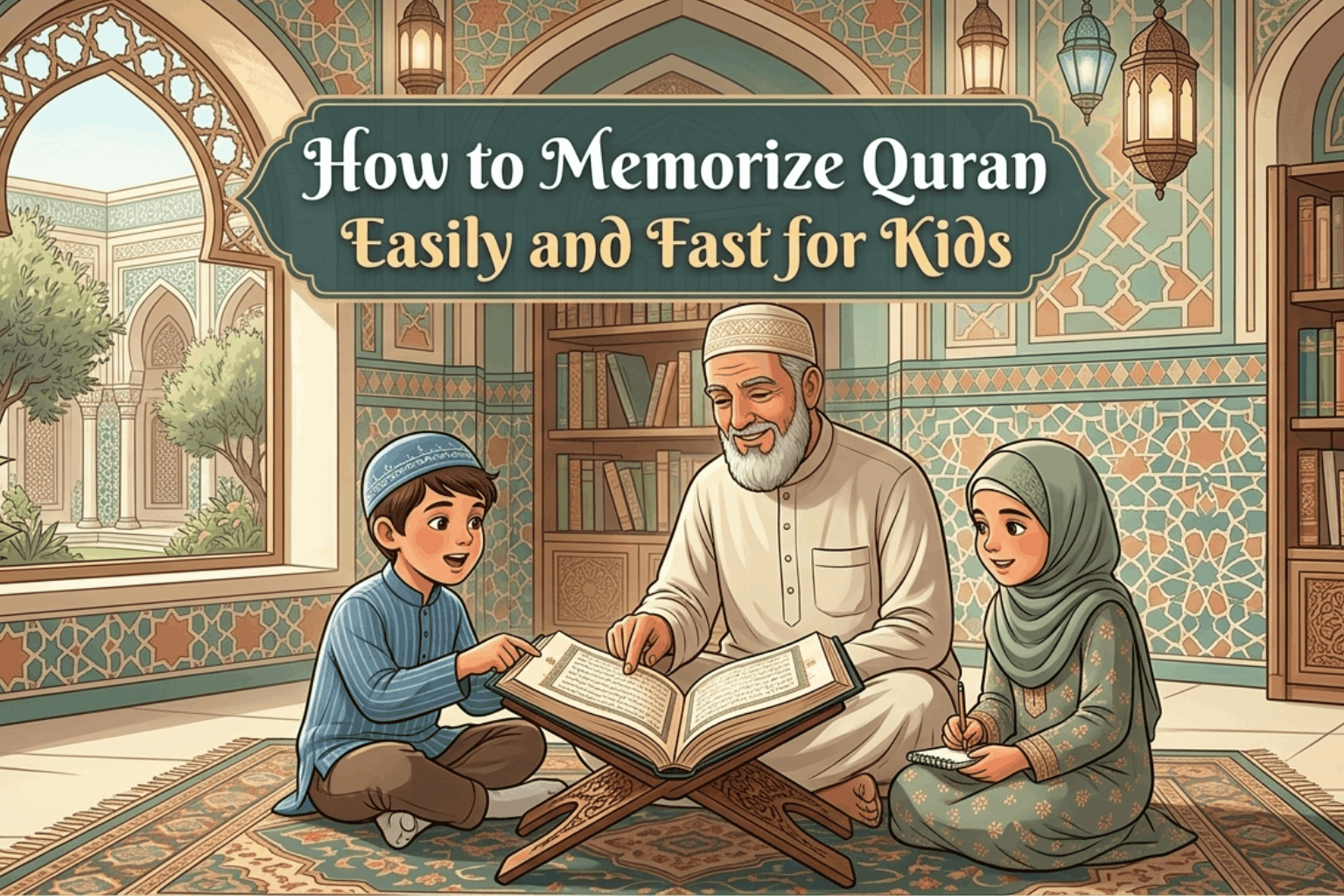
Memorizing the Quran is an incredibly rewarding journey, especially for children. Whether you are a parent looking to help your child with memorization or a teacher guiding young students, it’s essential to find the best strategies that make learning enjoyable, effective, and fast. At BayanulQuran Academy, f you are wondering How to Memorise Quran Easily, you’re in the right place! This guide will share practical methods and tips on memorizing the Quran for kids, ensuring that the process is smooth and full of blessings.
Best Way to Hifz Quran: A Structured Approach
When it comes to memorizing the Quran, consistency, patience, and dedication are key. Here’s how to help your child memorize the Quran in the most effective and engaging way.
1. Start with Short Surahs
For younger kids, begin with the short Surahs from Juz Amma (the 30th part of the Quran). These Surahs are not only shorter but are also rhythmic and easier to memorize. Starting with familiar Surahs that are repeated often in daily prayers, such as Surah Al-Fatiha and Surah Al-Ikhlas, will build confidence and motivation.
2. Establish a Regular Quran Routine
Routine is crucial to fast memorization. Instead of lengthy sessions, break the memorization process into short, focused periods. Dedicate 15–30 minutes daily, at a time when the child is most alert. The best times are early mornings after Fajr or after Maghrib prayers, as the mind is fresh.
Consistency is more important than the length of the sessions. Stick to the same time each day, and ensure a distraction-free environment for learning.
3. Use Repetition and Active Listening
Repetition is the key to memorization. Begin each session with active listening to the recitation of the Ayah. Play a high-quality recitation by a skilled Qari (such as Sheikh Mishary Alafasy or Sheikh Sudais). Afterward, have the child repeat the Ayah multiple times.
Encourage oral recitation: Studies show that children retain information better when they say it aloud. Aim for 5-10 repetitions of each Ayah before moving on to the next one.
Additionally, passive listening can be effective. Play the Surah while your child is engaged in other activities, such as eating or drawing. This way, the verses become familiar even when not actively memorizing.
4. Break Down Long Verses (Chunking Method)
Long verses can be intimidating, so break them down into smaller, manageable chunks. Each chunk should consist of a few words or phrases. The child can focus on mastering one chunk at a time, and then combine them to memorize the entire Ayah. This prevents frustration and keeps the process enjoyable.
5. Incorporate Visual and Kinesthetic Learning
Kids are diverse in how they learn, so adapt to their learning styles:
- For visual learners: Use color-coded Quran with clear Tajweed rules or have them write down the Ayah in a notebook. These visual aids will help them connect the script to the pronunciation.
- For kinesthetic learners: Engage in interactive activities. Encourage the child to physically act out or use gestures while memorizing.
6. Keep the Child Motivated and Encouraged
When children feel emotionally connected to the Quran, they are more likely to retain what they memorize. Here’s how to keep them motivated:
- Teach the meaning of the verses: Understanding the translation and context of the Ayah makes it more memorable. Use Quranic storybooks or simple explanations to make the verses come alive.
- Positive reinforcement: Reward the child for milestones achieved. Whether it’s a simple “Masha’Allah!” or a small gift, celebrating achievements keeps the process fun and rewarding.
7. Regular Revision Is a Must
Memorizing is only half of the journey. Regular revision is crucial to ensure the child retains what they’ve learned. Start each session by revising previously learned Ayahs before introducing new ones. A simple daily review cycle might look like this:
- New lesson: New verses learned in the current session.
- Yesterday’s lesson: Revision of the verses learned the previous day.
- Old lesson: Randomly select verses from a previous week or month for long-term retention.
8. Create a Distraction Free Learning Environment
Ensure the learning area is quiet and free from distractions. Designate a special space for Quran study, such as a cozy corner or a dedicated room. This physical separation from other activities will mentally signal to the child that this time is sacred and focused.
9. Be Involved and Lead by Example
Spend time with them, either by memorizing with them or reviewing the verses. When children see their parents or teachers engaging with the Quran, it sparks enthusiasm.
10. Stay Consistent with Dua and Patience
Finally, remember that memorizing the Quran is a spiritual journey. Consistency and reliance on Allah (SWT) will ensure success. Make dua for the child’s success in memorization and understanding of the Quran. Ask Allah for guidance and patience throughout the process.
Tips to Memorize Quran: Conclusion
These methods are the best way to memorise Quran. By following these, you can help your child memorize the Quran easily while making the process enjoyable and meaningful. Remember, the focus is not on memorizing at a fast pace but on developing a deep connection with the words of Allah. Whether it’s through visual aids, repetition, or understanding the meaning behind each verse, the key is to make Quran memorization fun, regular, and emotionally enriching.
The road to memorizing the Quran can be long, but with consistent effort, dedication, and Allah’s help, your child will successfully complete their hifdh journey. Keep encouraging them and create an environment where the Quran is cherished and respected, this will ensure that their relationship with the Quran lasts a lifetime.